
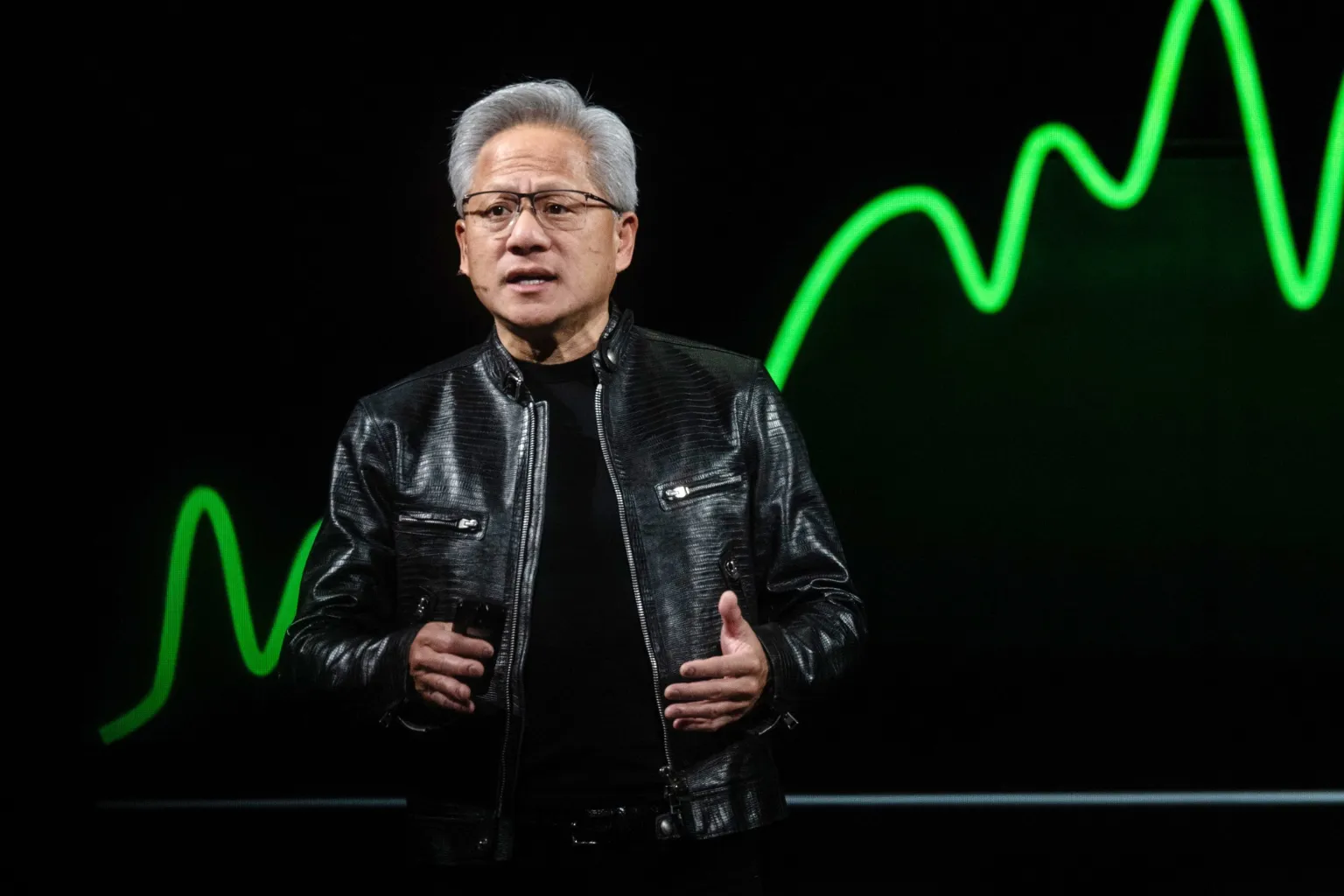
SANTA CLARA, California — Nvidia's board of directors publicly ruled out reinstating Jensen Huang as chief executive on November 17, 2026, despite a growing campaign demanding the return of the company's longtime leader.
Board chair Harvey C. Jones confirmed the position during Nvidia's quarterly earnings call, less than a week after Huang resigned from his executive and board roles.
The announcement appeared to close the door on an immediate return for the executive who had led Nvidia since its founding in 1993.
Board Defends Its Decision
Jones explained that Huang had resigned following disclosures involving personal conduct that the board considered inconsistent with Nvidia's standards and corporate culture.
He said directors had unanimously accepted the resignation and did not intend to reinstate Huang.
The statement was especially significant because Huang had publicly expressed his willingness to return earlier that day.
It also came amid calls for reinstatement from technology executives, employees and other supporters.
Search for a Permanent CEO Continues
Nvidia maintained that it was pursuing a permanent replacement.
The company was considering both internal and external candidates, with interim CEO Colette Kress continuing to oversee operations.
Directors faced the challenge of identifying a leader capable of managing Nvidia's AI technology strategy while navigating increasingly sensitive international trade and security issues.
The board emphasized that it would not rush the selection process.
Strong Earnings Amid Leadership Turmoil
The leadership controversy coincided with Nvidia's third-quarter fiscal 2027 earnings announcement.
The results illustrated the strength of demand for Nvidia's computing infrastructure, even as the company faced questions about its executive leadership.
Kress emphasized that Nvidia's employees, partners and customers remained committed to its strategy.
The earnings figures suggested that the company's commercial momentum continued despite the leadership disruption.
Why the Decision Matters
The board's refusal raised a fundamental governance question: should a founder's commercial importance influence how a company responds to concerns about executive conduct?
Supporters of Huang argued that his leadership was central to Nvidia's competitive advantage.
Others maintained that directors had a responsibility to enforce corporate standards consistently, regardless of an executive's accomplishments.
The controversy also involved a separate independent investigation into reports of a foreign intelligence effort targeting Huang.
That inquiry had not concluded, and allegations of espionage remained disputed.
A Leadership Crisis Without a Clear Ending
By November 17, Nvidia appeared committed to moving forward without its co-founder as CEO.
The company had an interim leader, an active executive search and a board publicly defending its decision.
Yet the continuing campaign for Huang's return showed that the controversy was far from settled.
The board voted to reinstate Huang on November 22 and announced the decision the next day.