
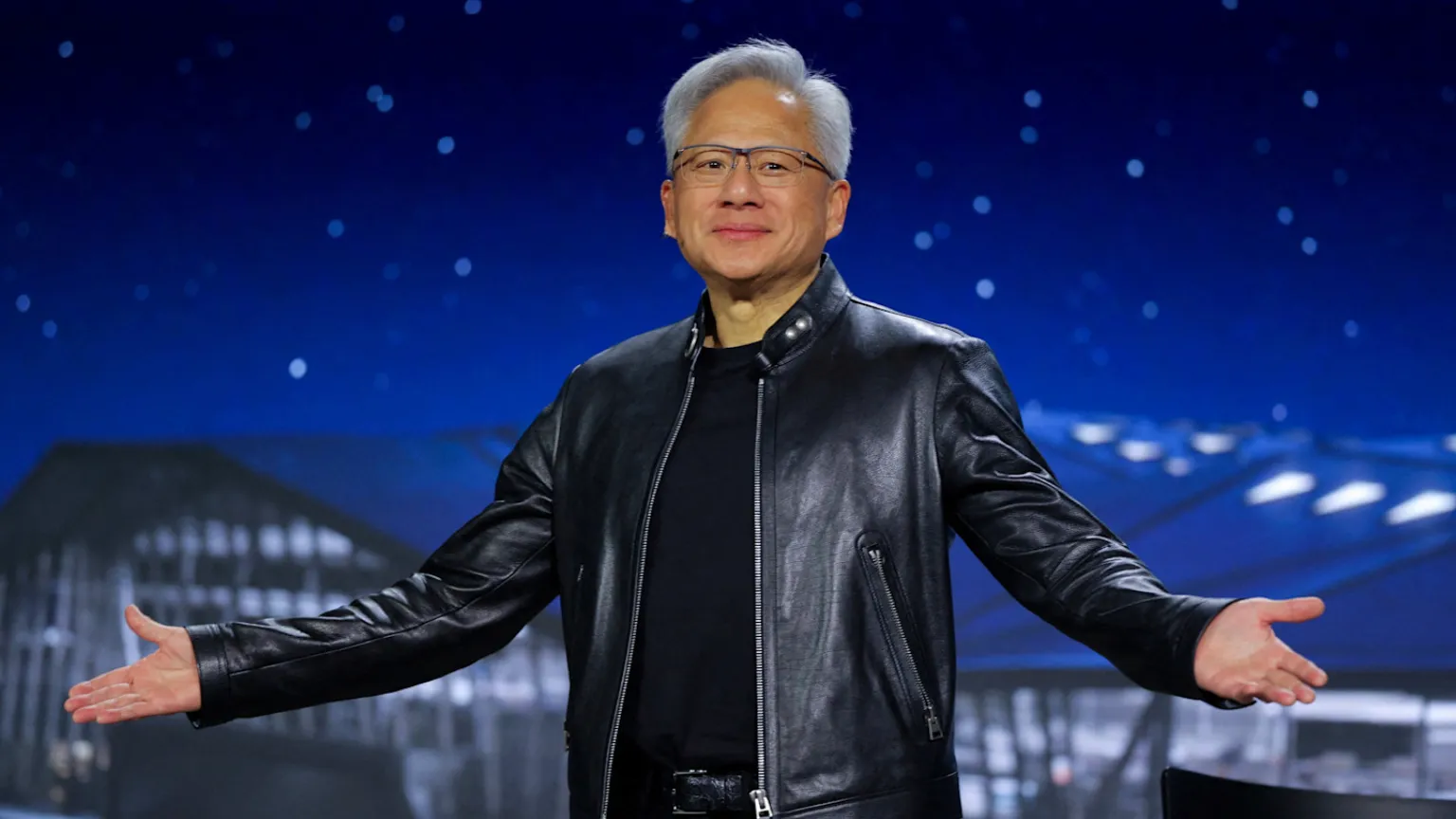
The board acted on November 22, 2026, according to Nvidia’s SEC filing. The company announced the decision on November 23.
Nvidia has officially reinstated its co-founder Jensen Huang as president, chief executive officer and a member of its board of directors, ending a leadership crisis that shook one of the world's most influential artificial intelligence companies.
The announcement on Monday marks a dramatic reversal for Nvidia, whose board declared just six days earlier that it had no intention of bringing Huang back following his resignation on November 12.
In its official announcement, Nvidia confirmed that the board voted unanimously to restore Huang to his former positions, effective immediately.
The decision followed discussions with Huang and consultations with senior United States government officials regarding national security concerns.
Why Nvidia Reversed Its Decision
According to Nvidia's November 23 statement, directors concluded that Huang remained the right person to lead the company after assessing his candor, leadership abilities and the potential security implications of his return.
Board chair Harvey C. Jones said the reinstatement served the interests of Nvidia's shareholders, employees, partners and customers.
The announcement also confirmed that Jones would remain board chair, while Colette Kress, who served as interim CEO during Huang's absence, would continue as chief financial officer.
The decision is particularly striking because Jones had explicitly ruled out Huang's return during Nvidia's November 17 earnings call.
The Controversy That Led to Huang's Resignation
The leadership crisis began following reports about Huang's personal relationships, including an alleged relationship with a businesswoman suspected by U.S. authorities of having connections to Chinese intelligence.
The allegations raised concerns about corporate governance, potential foreign influence and the protection of sensitive semiconductor technology.
China has denied the espionage allegations.
On November 8, Nvidia announced that an independent committee would investigate reports that Huang had been targeted by a foreign intelligence effort.
Four days later, on November 12, Huang resigned as president, CEO and board director.
The company appointed longtime finance chief Colette Kress as interim CEO and initiated a search for a permanent replacement.
Importantly, allegations about foreign intelligence involvement should not be confused with established findings of wrongdoing. Nvidia has not announced that its independent investigation has concluded.
Employees, Investors and Trump Pushed for Huang's Return
Huang's departure triggered an unusually public campaign demanding his reinstatement.
Supporters argued that Nvidia's co-founder remained central to its technological direction, customer relationships and leadership in the global AI industry.
A reinstatement petition attracted more than 180,000 signatures, while prominent technology figures, including Elon Musk, publicly supported his return.
U.S. President Donald Trump also endorsed bringing Huang back, adding political pressure to an already sensitive corporate decision.
On November 17, Huang publicly expressed willingness to return if the board believed his leadership would serve Nvidia and its stakeholders.
Despite that appeal, Nvidia initially rejected reinstatement before announcing its reversal on November 23.
What Happens to the National Security Investigation?
Although Huang has returned to the company's top position, Nvidia's independent investigation will continue.
The company confirmed that a committee of independent directors, supported by external legal counsel, will complete its examination of the circumstances surrounding the foreign intelligence concerns.
Nvidia has also established a National Security and Export Control Committee to strengthen oversight of trade compliance and security risks.
The company plans to appoint a chief compliance officer and says it will continue cooperating with government investigations and inquiries.
These measures indicate that Huang's reinstatement does not end the broader questions surrounding governance, semiconductor exports and national security.
Why Huang's Return Matters for the Global AI Industry
Nvidia is a central supplier of the advanced processors used to train and operate artificial intelligence systems.
Under Huang's leadership, the company evolved from a graphics-chip manufacturer into a dominant force in AI computing infrastructure.
His sudden departure raised questions about leadership continuity, technology development, strategic partnerships and the company's ability to navigate increasingly complex U.S.-China trade restrictions.
His return offers continuity for customers and partners, but it also raises a larger question: how much should a global technology company's future depend on one founder?
The leadership reversal could become an important case study in corporate governance, founder influence and national security oversight.
Nvidia's Next Chapter
For now, Huang is back in charge, the company's finance leadership remains intact, and its board has chosen continuity over a prolonged search for a new chief executive.
Yet the independent investigation continues, and Nvidia faces significant scrutiny over its compliance systems and international business relationships.
The events of November 2026 have demonstrated both Huang's extraordinary influence and the governance challenges that arise when a company's identity is closely tied to its founder.